

 by
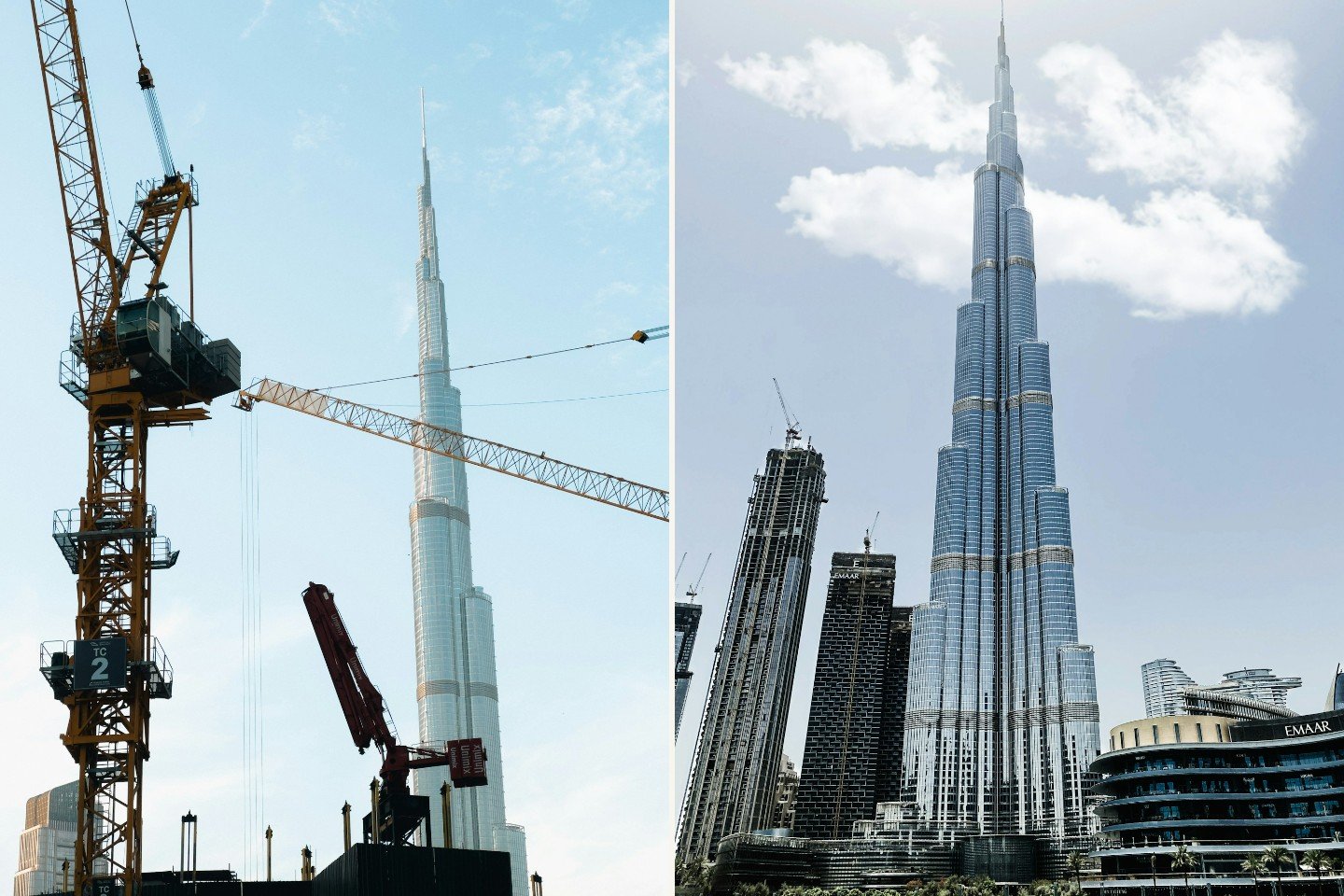
Seven out of ten homes sold in Dubai today are bought before they are built. Off-plan property in Dubai offers launch prices, staged payments and brand-new homes — and, since 2007, a legal framework designed to protect every dirham a buyer pays.
In the third quarter of 2026, off-plan sales made up 72% of all residential transactions in Dubai and 65% of their total value. For international buyers, buying off-plan is no longer the exception — it is how most of the market works.
Buying a home that does not exist yet still raises fair questions. Where does the money go? What happens if the project is late? What exactly do you own before handover? This guide explains how off-plan projects in Dubai work in 2026, step by step, and what to check before you sign.
Why Buyers Choose Off-Plan Property in Dubai
Off-plan means buying directly from the developer, during or even before construction. Buyers usually choose it for four reasons:
- Launch pricing: developers release projects in phases, and prices typically rise 5–12% from one phase to the next — more in high-demand locations. Buying early secures the lowest price.
- Staged payments: instead of paying the full price at once, buyers pay in instalments over the construction period through a payment plan.
- A brand-new home: the latest layouts, finishes and building amenities, with a developer warranty after handover.
- Choice: at launch, buyers can pick the best views, floors and layouts before they are gone.
Sources: off-plan market share from Cavendish Maxwell (Q3 2026); payment plan trends from Khaleej Times (January 2026); escrow and buyer-protection rules from Dubai Law No. 8 of 2007 and Law No. 13 of 2008 as amended, summarised by dubizzle; Oqood registration from Sotheby’s International Realty UAE. This article is general information, not legal advice.
How Dubai Protects Off-Plan Buyers
Escrow accounts
Under Dubai Law No. 8 of 2007, every off-plan project must have its own escrow account, opened before a single unit is sold. Buyers pay into that account, not to the developer directly, and the funds can only be used to build that project. A share is held back after completion as a guarantee.
Oqood registration
Once the sale is signed, the developer registers it with the Dubai Land Department on the Oqood interim register. The Oqood certificate is your proof of ownership during construction: the unit cannot be sold to anyone else. At handover, it is replaced by the title deed.
Registered developers and projects
Developers must be registered with the Dubai Land Department and RERA, and each project must be approved before it can be marketed. The DLD’s app lets buyers follow the construction progress of registered projects.
Rules if a project is cancelled
If an approved project is cancelled, the law requires buyers’ payments to be refunded. Dubai also has a dedicated committee that oversees delayed and cancelled projects and can transfer them to another developer.
“Off-plan in Dubai is not a leap of faith. The money sits in escrow, the sale is registered with the Land Department, and every step is traceable.”
Payment Plans in Dubai: How They Work
A payment plan sets out when you pay and how much. In 2026, the market is moving away from long post-handover plans towards schedules linked to construction progress. The most common structures:
- Booking deposit: usually 10–20% when you sign, plus the 4% Dubai Land Department fee for the Oqood registration.
- Construction-linked plans: instalments are due as the building reaches set milestones, so you pay as the project rises.
- 70/30 and 80/20 plans: 70% or 80% paid during construction and the balance on handover — expected to become the standard among leading developers in 2026.
- Post-handover plans: part of the price is paid after you receive the keys, often over two to five years. Less common than before, and usually with a higher price.
Plans vary from one project to the next, so always compare the full schedule, not only the deposit. Browse our current off-plan projects in Dubai, and read our guide to submitting an EOI before a launch to secure priority access to the best units.
Off-Plan or Ready: Which Suits You?
Both have their place. The right choice depends on when you need the property and how you prefer to pay:
Five Checks Before You Buy Off-Plan
- The developer’s track record: look at completed projects, delivery times and the quality of buildings already handed over.
- The project’s registration: confirm the project is registered with the Dubai Land Department and has an escrow account — and pay only into that account.
- The sale and purchase agreement: read the handover date, the grace period, the specifications and the penalties on both sides.
- The full payment schedule: know every instalment and its trigger. If a buyer stops paying, the developer can terminate and keep up to 25% or 40% of the price, depending on how far construction has progressed.
- The total cost: add the 4% DLD fee, registration charges and future service charges to the purchase price.
The through-line is clear: off-plan is how most of Dubai buys today, and the rules behind it are among the most structured in the region. The opportunity lies in choosing the right developer, the right location and the right payment plan — and knowing exactly what you are signing. For location ideas, see where to buy along the new Metro lines or what €1 million buys in Dubai. If you need a home now, our ready-to-move properties are the alternative.
Frequently Asked Questions
Off-plan buying in Dubai is regulated. Buyers’ payments go into a project escrow account that can only be used for construction, the sale is registered with the Dubai Land Department through Oqood, and developers and projects must be registered before they can sell. Checking the developer’s track record remains essential.
Oqood is the Dubai Land Department’s interim register for off-plan sales. The developer registers your purchase and you receive an Oqood certificate as proof of ownership during construction. It is replaced by the title deed at handover.
Most developers ask for 10–20% of the price when you sign, plus the 4% Dubai Land Department fee. The rest is paid according to the project’s payment plan, often 70/30 or 80/20 in 2026.
Yes, in many projects, once the developer’s conditions are met — usually after a set percentage of the price has been paid. The transfer is registered with the Dubai Land Department and the developer may charge a fee, so check the sale and purchase agreement.
Luxe Harmony helps you compare developers, payment plans and launch prices, and guides you from the EOI to handover.


Join The Discussion